
A rotary tool is one of the most versatile tools available for DIY projects, repairs, crafts, workshops, and professional applications. Its compact design and variable-speed operation make it useful for a wide range of tasks. However, the real potential of a rotary tool comes from choosing the right rotary tool accessories.
From cutting and grinding to polishing, engraving, sanding, and drilling, different accessories can transform one rotary tool into a multi-purpose solution. Instead of relying on several specialized tools, users can often complete different applications by simply changing the attachment.
But how do these accessories expand the capabilities of a rotary tool, and how can you choose the right ones for your work?
What Are Rotary Tool Accessories?
Rotary tool accessories are interchangeable attachments, bits, wheels, brushes, and other components designed to perform specific tasks with a rotary tool.
While the main tool provides the power and rotational movement, the accessory determines how that power is applied to the material.
Common accessories include:
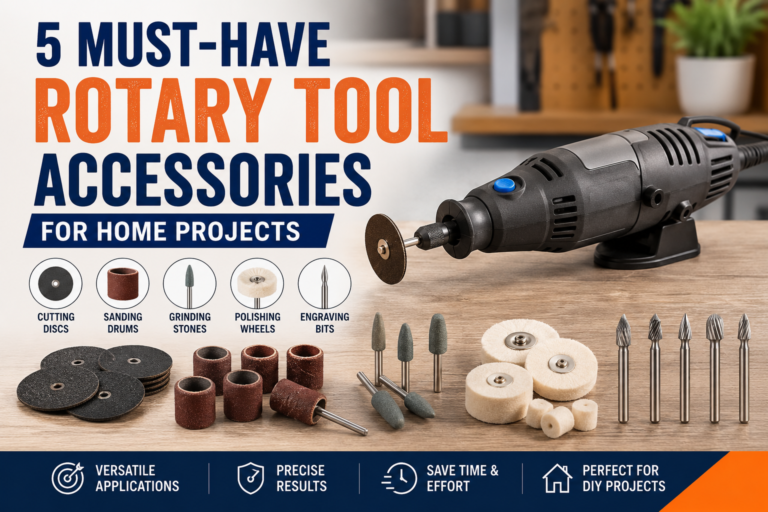
- Cutting wheels
- Grinding stones
- Sanding drums
- Polishing wheels
- Wire brushes
- Engraving bits
- Drill bits
- Burrs
- Buffing accessories
- Sharpening attachments
Each accessory has a specific purpose. Selecting the appropriate attachment can improve precision, efficiency, surface finish, and overall control.
Why Do Rotary Tool Accessories Matter?
A rotary tool by itself has a limited range of applications. Its versatility increases significantly when it is paired with task-specific accessories.
For example, a cutting wheel can be used to cut suitable materials, while a sanding drum can smooth edges and surfaces. Similarly, a polishing attachment can help create a smoother finish after grinding or sanding.
This makes rotary tool accessories particularly useful when a project involves multiple stages.
Instead of switching between several tools, users can change the accessory according to the task.
How Can Rotary Tool Accessories Improve Cutting Applications?
Cutting accessories are among the most commonly used rotary tool attachments.
Depending on the accessory and material, cutting wheels can be used for applications such as:
- Trimming small components
- Cutting thin materials
- Removing excess material
- Making small openings
- Separating suitable fasteners or components
The correct cutting wheel can provide better control than using an unsuitable attachment. However, users should always select accessories according to the material and follow the manufacturer’s recommended operating speed.
For detailed or delicate work, maintaining steady movement and avoiding excessive pressure can also help achieve cleaner results.
Can Rotary Tools Be Used for Grinding and Deburring?
Yes. Grinding stones and abrasive accessories can extend a rotary tool’s usefulness into surface preparation and finishing work.
Grinding accessories can be useful for:
- Removing small amounts of material
- Smoothing rough edges
- Deburring components
- Refining shaped surfaces
- Preparing areas for further finishing
A suitable abrasive accessory allows the user to work on small areas where larger grinding equipment may not provide the same level of control.
The key is to choose the correct abrasive type and avoid applying excessive pressure, which can reduce accessory life and affect the finish.
How Do Accessories Help With Sanding and Surface Finishing?
Sanding drums, sanding discs, and similar attachments can turn a rotary tool into a compact finishing tool.
They can be useful for:
- Smoothing wooden edges
- Removing minor surface imperfections
- Refining curved surfaces
- Preparing surfaces for painting
- Finishing small components
One major advantage is control. A small sanding accessory can reach narrow or curved areas that may be difficult to access with conventional sanders.
For delicate materials, starting with a finer abrasive and using a controlled speed can help reduce the risk of removing too much material.
How Can Rotary Tool Accessories Support Polishing?
Polishing and buffing accessories are designed to improve the appearance and finish of suitable surfaces.
Depending on the application, polishing wheels can be used with an appropriate polishing compound to help create a smoother or more refined surface.
These accessories can be particularly useful for small components, decorative work, and detailed finishing.
The right combination of accessory, compound, speed, and technique is important because excessive speed or pressure may generate unwanted heat or produce an uneven finish.
What Role Do Engraving Accessories Play?
Rotary tools are also popular for engraving and detail work.
Small engraving bits and burrs can provide the precision needed for working on suitable materials. They can be used for:
- Decorative patterns
- Identification marks
- Small lettering
- Detailed shaping
- Craft projects
Because engraving requires precision, users should maintain a comfortable grip and work at an appropriate speed. Practicing on a scrap piece of material before working on the final surface can also help improve control.
Can Rotary Tool Accessories Be Used for Drilling?
Certain rotary tool drill bits can be used for small drilling applications, particularly where precision and accessibility are more important than producing large holes.
They can be useful for:
- Small pilot holes
- Craft projects
- Model making
- Light-duty repairs
- Detailed workshop applications
However, rotary tools are not a replacement for every type of drill. For larger holes or heavy-duty drilling, a dedicated drill may be more appropriate.
Understanding the intended application helps users select the right accessory and tool.
How Should You Choose the Right Rotary Tool Accessories?
Choosing an accessory should begin with the task rather than the tool.
Consider these factors before making a selection:
1. Material
Different materials require different accessory types. An attachment suitable for wood may not be appropriate for metal, plastic, glass, or other materials.
2. Application
Determine whether you need to cut, grind, sand, polish, engrave, drill, or perform another operation.
3. Accessory Size
The size and shape of an attachment can affect accessibility and precision. Smaller accessories can be helpful for detailed work, while larger ones may cover more surface area.
4. Operating Speed
Always check the recommended speed range for the accessory. Running an attachment outside its specified limits can affect performance and safety.
5. Compatibility
Not every accessory is compatible with every rotary tool. Check the shank size, attachment mechanism, and manufacturer’s specifications before purchasing.
How Can a Single Rotary Tool Handle Multiple Jobs?
The biggest advantage of having a range of accessories is flexibility.
Imagine a small workshop project requiring several steps. You might begin by cutting a component, then use a grinding attachment to remove rough edges, followed by sanding and polishing to improve the finish.
Instead of using four separate tools, a rotary tool equipped with the appropriate accessories can handle many of these smaller operations.
This versatility makes rotary tools useful for hobbyists, technicians, craftsmen, maintenance professionals, and workshop users.
What Are the Benefits of Building an Accessory Set?
A carefully selected accessory collection can make a rotary tool significantly more useful.
Key benefits include:
- Greater versatility: One tool can perform multiple functions.
- Better accessibility: Small attachments can reach confined areas.
- Improved precision: Specialized bits provide greater control for detailed work.
- Convenience: Accessories can be changed according to the task.
- Efficient workflows: Multiple project stages can be completed with the same basic tool.
- Expanded applications: Users can explore cutting, sanding, engraving, polishing, and other operations.
However, buying every available accessory is not always necessary. It is generally more practical to build a collection around the tasks you perform most frequently.
How Can You Use Rotary Tool Accessories Safely?
Safety should always be part of accessory selection and operation.
Before using an attachment:
- Check that it is compatible with the rotary tool.
- Inspect the accessory for damage or excessive wear.
- Secure the attachment properly.
- Follow the recommended operating speed.
- Wear appropriate eye protection.
- Use suitable protective equipment for the material and application.
- Keep hands away from rotating components.
- Allow the accessory to reach the appropriate speed before beginning the operation.
- Avoid forcing the tool through the material.
For applications that generate dust, particles, sparks, or other hazards, use appropriate workplace controls and protective equipment.
Why Are Rotary Tool Accessories Essential for Versatile Work?
The effectiveness of a rotary tool is not determined only by its motor or speed settings. The accessories attached to it play a major role in determining what the tool can accomplish.
With the right rotary tool accessories, a compact rotary tool can support numerous applications, from cutting and grinding to sanding, polishing, engraving, and detailed finishing.
The key is to match the accessory to the material, application, tool compatibility, and recommended operating conditions.
For workshops, DIY projects, repair work, and precision applications, building a carefully selected accessory set can significantly expand the usefulness of a rotary tool. Instead of seeing the rotary tool as a single-purpose device, consider it a flexible platform that can adapt to different tasks simply by changing the attachment.
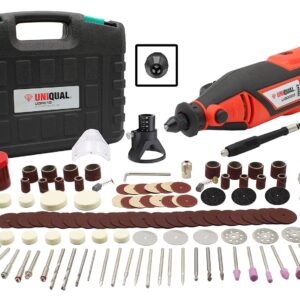 UQRK10 – 140pcs Kit
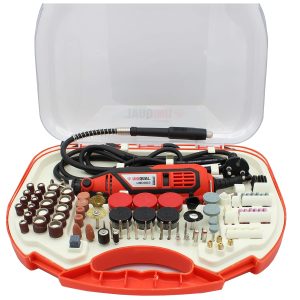 UQRK01 – 211pcs Rotary Tool Kit
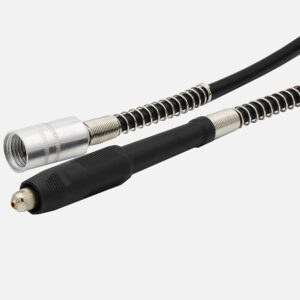 UQRT02 – Flexible Shaft Black
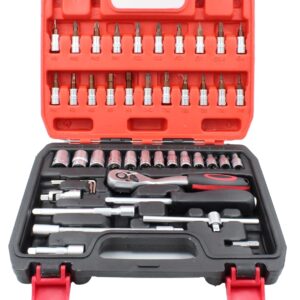 UQHT01 – 46pcs Socket Set
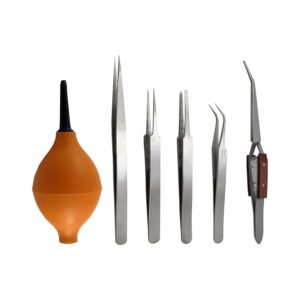 UQHT02 – 6pcs Tweezer Set
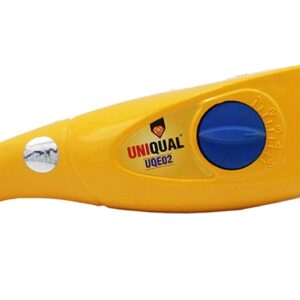 UQE02 – UniQual Engraver