
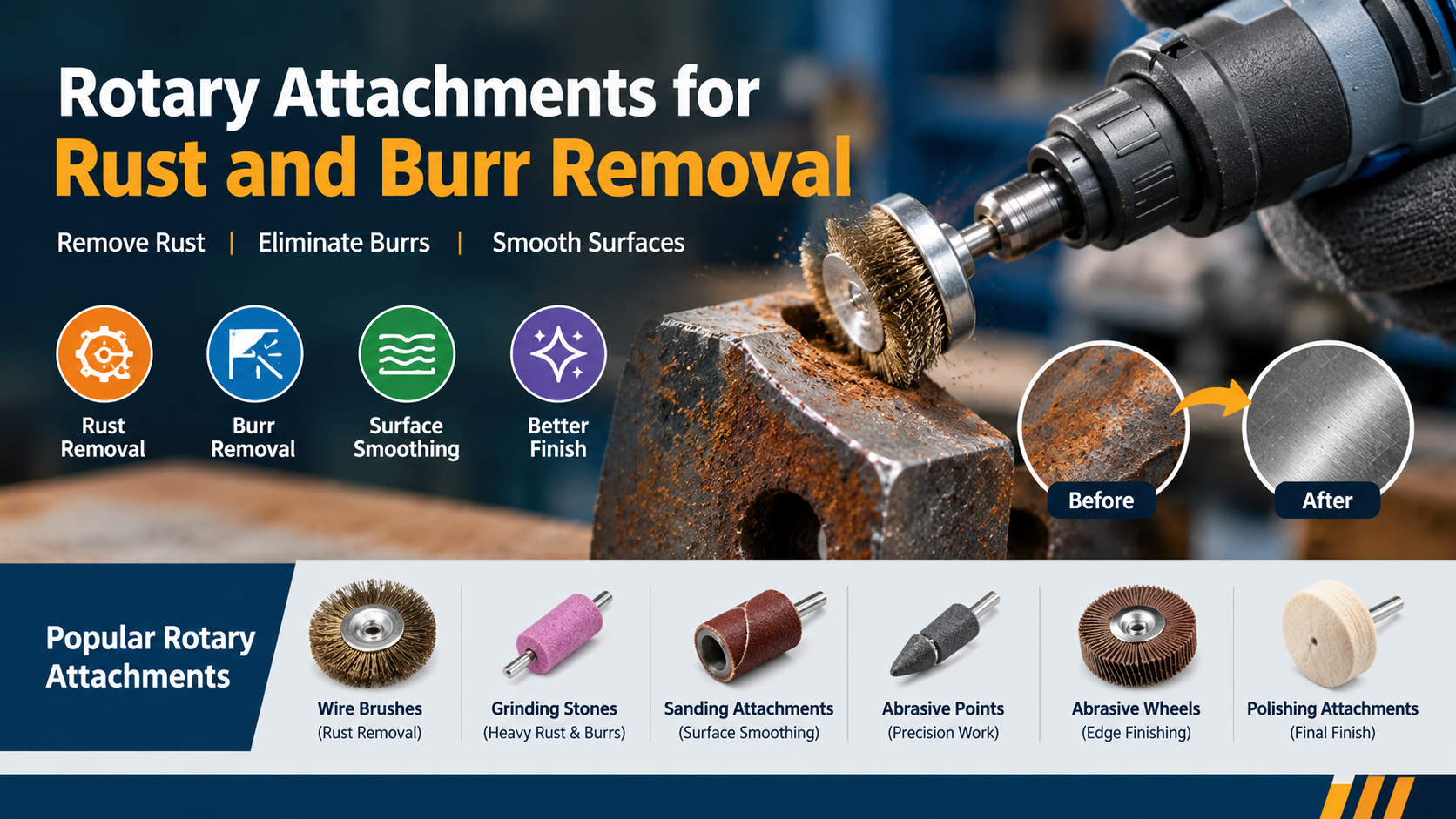
Metal surfaces often develop rust, sharp burrs, rough edges, and other imperfections during manufacturing, fabrication, repair, and everyday use. These problems can affect the appearance, functionality, and durability of a component. Proper surface preparation is therefore essential before painting, polishing, assembling, or performing further finishing work.
Rotary Attachments are useful accessories for rotary tools that help remove unwanted material, clean metal surfaces, smooth rough edges, and prepare components for finishing. Depending on the attachment type, they can support detailed work on metal, wood, plastic, and other compatible materials.
Whether you are working in a workshop, maintaining machinery, or handling a DIY project, choosing the right rotary attachment can make surface preparation more controlled and efficient. Understanding the available attachment types and their applications helps you achieve better results while reducing the risk of damaging the workpiece.
What Are Rotary Attachments and How Do They Work?
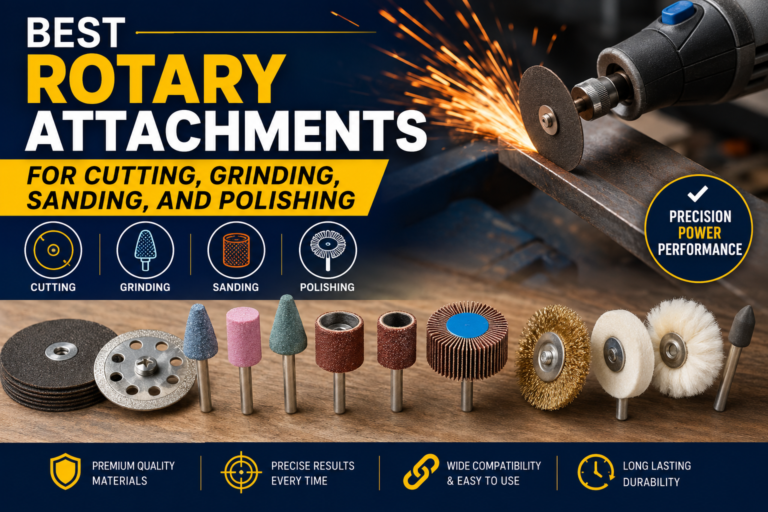
Rotary attachments are accessories fitted to compatible rotary tools to perform specific tasks. These accessories rotate at high speeds, allowing them to grind, cut, sand, brush, or polish a surface, depending on their design and abrasive material.
Different attachments are designed for different purposes. For example, abrasive grinding stones can remove small amounts of metal, wire brushes can clean loose rust and surface deposits, and sanding accessories can smooth uneven areas.
The effectiveness of an attachment depends on several factors:
- Material compatibility: The attachment must be suitable for the material being worked on.
- Abrasive type: Different abrasives offer different levels of cutting action and durability.
- Attachment shape: Small points, wheels, and cylindrical accessories suit different surface profiles.
- Operating speed: The correct speed helps balance material removal, surface quality, and tool safety.
- Pressure applied: Controlled pressure generally produces more consistent results and reduces unnecessary wear.
Selecting the right accessory helps ensure that the surface receives the appropriate level of treatment without removing more material than necessary.
How Do Rotary Attachments Help Remove Rust?
Rust forms when iron or steel reacts with oxygen and moisture. If left untreated, corrosion can gradually damage the surface and compromise the condition of metal components.
Rotary attachments can help remove loose rust, corrosion deposits, and surface discoloration before protective coatings are applied.
Which Rotary Attachments Are Suitable for Rust Removal?
Wire brush attachments are useful for removing loose rust, dirt, and flaky surface deposits. They are particularly helpful when cleaning metal components with grooves, corners, and irregular shapes.
Abrasive grinding attachments can remove more stubborn corrosion and surface buildup. However, they also remove base material, so they should be used carefully on thin or delicate components.
Sanding attachments are suitable for smoothing surfaces after loose rust has been removed. They can help prepare metal for painting or other finishing treatments.
The best option depends on the severity of the corrosion and the condition of the underlying material.
What Is the Best Way to Remove Rust Without Damaging Metal?
Begin by cleaning the component to remove oil, grease, and loose dirt. Select an attachment suitable for the metal and the amount of corrosion present. Test it on a small, inconspicuous area before treating the entire surface.
Use controlled movements and avoid concentrating the attachment on one spot for too long. Excessive pressure can create scratches, heat buildup, or uneven material removal.
After cleaning, remove residual dust and inspect the surface. Apply an appropriate rust-inhibiting treatment or protective coating when required. Removing visible rust alone does not guarantee that corrosion will not return.
How Can Rotary Attachments Remove Burrs and Sharp Edges?
Burrs are small, unwanted projections that commonly form when metal or plastic is cut, drilled, machined, or ground. These projections can interfere with assembly, affect the fit of components, and create sharp edges that pose handling risks.
Deburring is the process of removing these projections to create a cleaner, smoother edge.
Which Attachments Work Best for Deburring?
Different Rotary Attachments can help with deburring, depending on the material and the size of the burr.
- Grinding stones: Useful for removing small metal projections and correcting uneven edges.
- Small abrasive points: Helpful for precision work on narrow openings, corners, and detailed components.
- Abrasive sanding accessories: Suitable for smoothing edges after the main burr has been removed.
- Mounted abrasive wheels: Useful for controlled finishing on accessible edges and selected metal surfaces.
For delicate parts, choose a fine abrasive and remove material gradually. For larger burrs, a more aggressive attachment may be needed initially, followed by a finer accessory to improve the finish.
Why Is Deburring Important in Manufacturing?
Proper deburring improves component handling, helps prevent interference during assembly, and supports consistent product quality. It can also reduce the risk of loose metal fragments entering machinery.
However, excessive deburring can alter component dimensions or remove important edge features. The objective is to eliminate unwanted projections while preserving the intended shape and measurements.
How Do Rotary Attachments Improve Rough and Uneven Surfaces?
Surface imperfections can include scratches, minor raised areas, tool marks, uneven edges, and rough patches left by machining or fabrication. These defects can make a component difficult to paint, polish, bond, or assemble.
Rotary attachments help address these problems through controlled abrasion and finishing.
Which Attachments Are Best for Surface Smoothing?
Sanding attachments are useful for reducing minor surface irregularities and preparing materials for further finishing.
Abrasive points and grinding stones can help level small raised areas on compatible materials, particularly when working on detailed components.
Polishing attachments are designed to improve surface appearance after the necessary cleaning, grinding, or sanding stages. They are more suitable for finishing than for removing substantial amounts of material.
For the best outcome, use a gradual finishing process. Start with an abrasive appropriate for the severity of the defect, then move to a finer grade when a smoother finish is required.
Remember that deep scratches, pitting, cracks, and substantial deformation may require a different repair process. A rotary attachment cannot restore material that has been lost through severe corrosion or structural damage.
How to Choose the Right Rotary Attachments for Your Project
Choosing the correct attachment is essential for achieving the desired finish without damaging the workpiece.
1. Identify the Material
Determine whether you are working with steel, aluminium, wood, plastic, or another material. An attachment suitable for one material may be too aggressive or otherwise unsuitable for another.
For example, aggressive grinding can remove material quickly from steel but may damage thin aluminium. Plastic can soften or melt when exposed to excessive frictional heat.
2. Assess the Surface Condition
Identify whether the main problem is loose rust, heavy corrosion, sharp burrs, scratches, or general roughness. Each condition requires a different level of abrasion.
A wire brush may be sufficient for loose rust, while a grinding accessory may be necessary for a stubborn metal projection.
3. Select the Appropriate Abrasive Grade
Coarser abrasives generally remove material more quickly but leave a rougher surface. Finer abrasives are useful for refining the finish after the initial defect has been corrected.
Avoid starting with an unnecessarily aggressive abrasive, especially on precision components.
4. Check Tool Compatibility
Confirm that the attachment’s shank size, maximum rated speed, and intended application match the rotary tool. Never operate an accessory above its specified speed limit.
5. Consider the Required Finish
A component intended for painting may need a clean, appropriately prepared surface, while a decorative metal part may require additional polishing. Choose the attachment based on the final result rather than material removal alone.
What Are the Common Mistakes to Avoid When Using Rotary Attachments?
Even suitable accessories can produce poor results when used incorrectly. Avoid these common mistakes:
- Applying excessive pressure: This can cause overheating, uneven removal, and premature attachment wear.
- Using the wrong attachment: A coarse grinding accessory may damage a delicate surface that requires light abrasion.
- Ignoring speed limits: Excessive rotational speed can damage the accessory and create a serious safety hazard.
- Skipping surface inspection: Dirt, loose particles, or deep defects may interfere with the finishing process.
- Using worn accessories: Damaged or heavily worn attachments may perform inconsistently and should be replaced.
- Neglecting personal protective equipment: Flying particles and dust can cause injuries, so suitable eye protection and other task-appropriate protective equipment are essential.
Always secure the workpiece, inspect accessories before use, follow the tool manufacturer’s instructions, and use appropriate guarding. When working with wire brushes, grinding accessories, or unknown coatings, assess the specific risks before starting.
How Can You Get Better Results from Rotary Attachments?
Consistent results come from combining the right accessory with a controlled working technique.
First, clean the surface and identify the defect. Fit the appropriate attachment securely and confirm that the tool is operating within the accessory’s rated limits. Begin at a suitable speed and test the process on a small area.
Move the tool steadily rather than holding it in one position. Allow the accessory to perform the work without excessive pressure. Check the surface regularly to ensure that you are removing only the unwanted material.
For multi-stage finishing, use progressively finer abrasives where appropriate. Clean away residue between stages to prevent loose abrasive particles from creating additional scratches.
Finally, inspect the component under good lighting. If the part requires painting, coating, or bonding, follow the preparation requirements specified for that process.
Conclusion
Rust, burrs, sharp edges, and surface imperfections can affect the appearance, safety, and performance of metal components. The right Rotary Attachments help make these problems easier to address by supporting rust removal, deburring, surface smoothing, and finishing.
The key is to match the attachment to the material, surface condition, and required finish. Using suitable abrasives, controlled pressure, and the correct operating speed can improve consistency while reducing unnecessary material removal.
For workshops, manufacturing applications, maintenance tasks, and DIY projects, understanding the different types of rotary accessories makes it easier to select the right tool for each job.
Uniqual offers rotary tools, attachments, and accessories for a range of workshop and precision applications. Choosing suitable accessories for your specific task can help you achieve cleaner surfaces, smoother edges, and more professional finishing results.
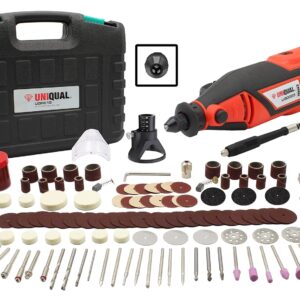 UQRK10 – 140pcs Kit
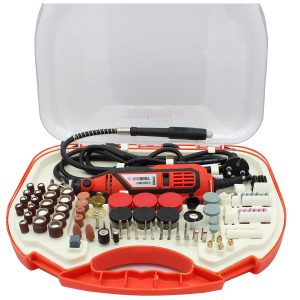 UQRK01 – 211pcs Rotary Tool Kit
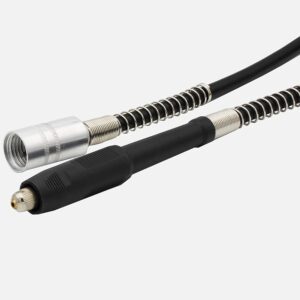 UQRT02 – Flexible Shaft Black
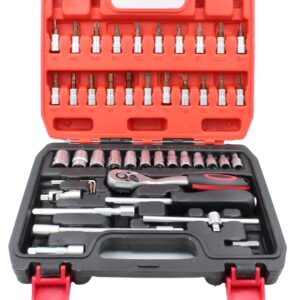 UQHT01 – 46pcs Socket Set
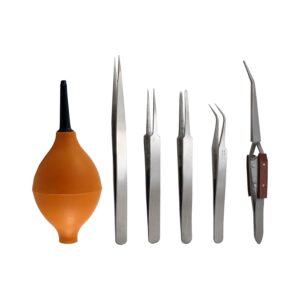 UQHT02 – 6pcs Tweezer Set
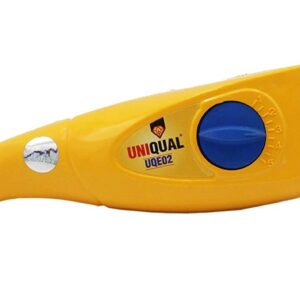 UQE02 – UniQual Engraver