
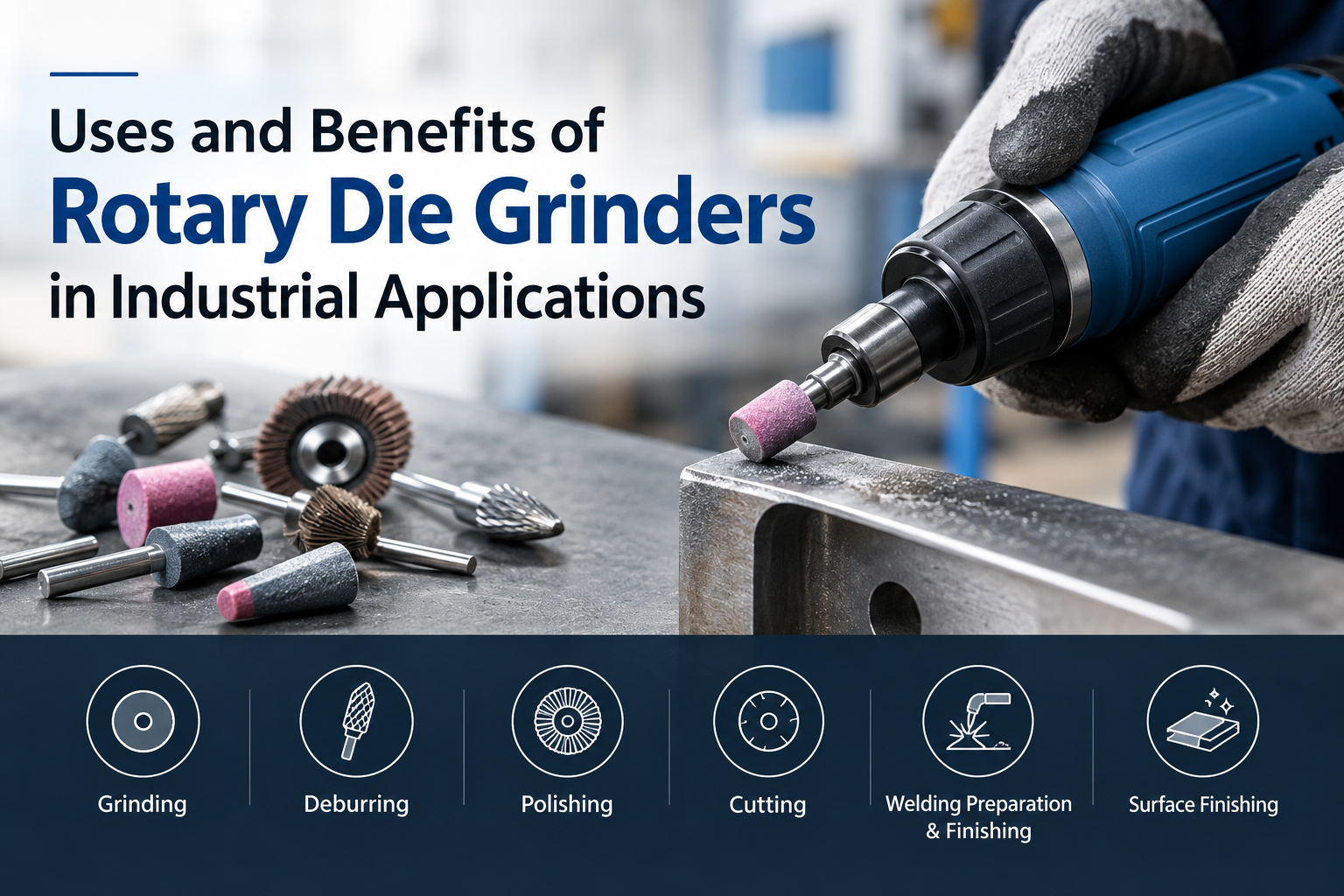
Industrial manufacturing and fabrication processes often require precision tools that can handle detailed finishing, material removal, and surface preparation. Among the tools used for these tasks, Rotary Die Grinders are valued for their compact design, high-speed operation, and ability to work with different accessories.
From metal fabrication and automotive workshops to machinery maintenance and general manufacturing, rotary die grinders can support a wide range of applications. Their versatility allows operators to perform tasks such as grinding, deburring, polishing, cutting, and surface finishing using suitable attachments.
What Are Rotary Die Grinders?
A rotary die grinder is a compact, high-speed power tool designed for precision grinding and finishing work. Unlike larger grinding machines, die grinders are generally easier to maneuver in confined areas and around detailed components.
They can be equipped with various accessories, including grinding stones, abrasive wheels, carbide burrs, sanding attachments, and polishing tools. This makes them suitable for working on different materials and for performing several operations with a single tool.
Depending on the model and application, rotary die grinders may be powered by electricity or compressed air. Industrial users select the appropriate type based on factors such as operating environment, required speed, available power source, and workload.
Where Are Rotary Die Grinders Used in Industry?
1. Metal Grinding and Material Removal
One of the primary uses of rotary die grinders is removing excess material from metal components. They can help smooth rough edges, refine surfaces, and remove unwanted material after cutting or welding.
In fabrication environments, operators can use suitable grinding accessories to work on steel, stainless steel, aluminium, and other compatible materials.
2. Deburring Metal Components
Cutting, drilling, machining, and casting processes can leave sharp edges or burrs on components. These imperfections may affect assembly, handling, or the final appearance of a product.
Rotary die grinders can be used with appropriate burrs or abrasive attachments to remove these unwanted edges and create smoother surfaces.
3. Welding Preparation and Finishing
Welded components often require preparation before welding and finishing after the welding process. A rotary die grinder can help clean surfaces, remove excess weld material, smooth weld areas, and prepare joints for further processing.
This makes the tool useful in fabrication workshops where welded assemblies require detailed finishing.
4. Surface Polishing
With the correct polishing accessories, rotary die grinders can be used for surface finishing applications. They can help improve the appearance and smoothness of compatible metal surfaces.
This is particularly useful when a component needs additional finishing after grinding or machining.
5. Cutting and Slotting
Certain rotary die grinders can be fitted with compatible cutting discs for light cutting and slotting applications. These accessories allow operators to work on smaller components where a compact tool provides better access.
The accessory must always be selected according to the tool specifications and material being processed.
6. Die and Mould Finishing
Tool and die manufacturing often requires precision work around complex shapes, cavities, and edges. The compact form of rotary die grinders can make them useful for detailed finishing and material removal in areas that may be difficult to reach with larger equipment.
Suitable carbide burrs and abrasive tools can be selected depending on the material and finishing requirement.
What Are the Benefits of Rotary Die Grinders?
Compact and Easy to Maneuver
The relatively compact design of rotary die grinders allows operators to work around small components, narrow spaces, and intricate surfaces. This can be particularly useful in maintenance and fabrication environments where accessibility is important.
High-Speed Operation
Rotary die grinders are designed for high-speed applications. When paired with the appropriate accessory, their speed can support efficient grinding, deburring, polishing, and finishing operations.
However, operators should always follow the manufacturer’s recommended operating speed for each accessory.
Versatile Tool Compatibility
A major advantage of rotary die grinders is their compatibility with a range of attachments. Depending on the tool model, users may work with grinding stones, carbide burrs, sanding accessories, polishing attachments, and cutting wheels.
This versatility allows one tool to support multiple workshop operations.
Precision for Detailed Work
Large grinding equipment may not always be suitable for small or intricate components. Rotary die grinders provide greater control for detailed material removal and finishing tasks, making them useful for precision-oriented industrial applications.
Efficient Surface Finishing
Grinding and finishing operations can be performed efficiently when the correct accessory, speed, and technique are used. This can help reduce manual finishing effort and improve consistency across repeated operations.
Suitable for Different Industrial Environments
Rotary die grinders can be used across several industries, including metal fabrication, automotive repair, machinery manufacturing, engineering workshops, maintenance, tool and die production, and general industrial manufacturing.
Their broad range of applications makes them a practical addition to many professional tool setups.
How to Choose the Right Rotary Die Grinder?
Selecting the right rotary die grinder depends on the specific application. Before purchasing, consider factors such as:
- Power source: Choose between electric and pneumatic models based on your workplace setup.
- Speed: Check the required RPM for the intended applications and accessories.
- Collet size: Ensure that the grinder supports the accessories you plan to use.
- Ergonomics: A comfortable grip and manageable weight can be important during extended operations.
- Application: Consider whether the primary requirement is grinding, deburring, polishing, cutting, or precision finishing.
- Accessory compatibility: Verify that the selected accessories are suitable for the grinder and the material being processed.
Choosing a grinder based on the actual workload can help improve productivity while ensuring safer and more controlled operation.
What Safety Practices Should Be Followed?
Because rotary die grinders operate at high speeds, proper safety practices are essential. Operators should use appropriate eye and face protection, secure the workpiece, inspect accessories before use, and follow the manufacturer’s operating instructions.
Accessories should be compatible with the grinder’s specifications and rated for the required speed. Operators should also avoid excessive pressure and replace damaged or worn accessories promptly.
Conclusion
Rotary Die Grinders are versatile industrial tools that can support grinding, deburring, polishing, cutting, welding preparation, and detailed surface finishing. Their compact design, high-speed operation, accessory compatibility, and precision make them useful across fabrication, manufacturing, maintenance, automotive, and engineering applications.
Selecting the right grinder and accessories according to the material, application, and operating requirements can help achieve efficient and consistent results. For businesses looking for versatile tools for detailed industrial work, rotary die grinders can be an important part of a well-equipped professional workshop.
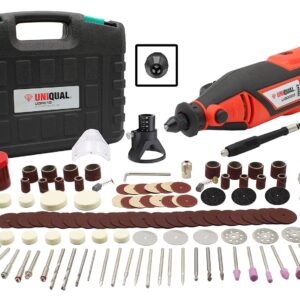 UQRK10 – 140pcs Kit
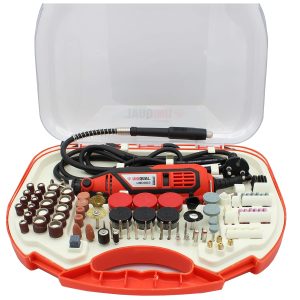 UQRK01 – 211pcs Rotary Tool Kit
 UQRT02 – Flexible Shaft Black
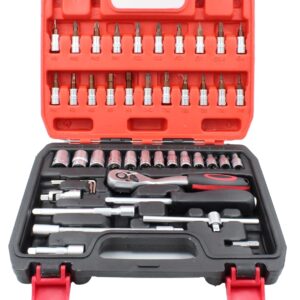 UQHT01 – 46pcs Socket Set
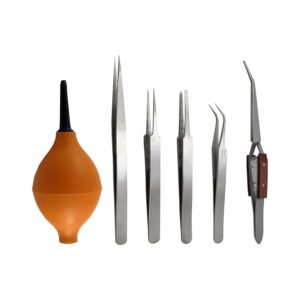 UQHT02 – 6pcs Tweezer Set
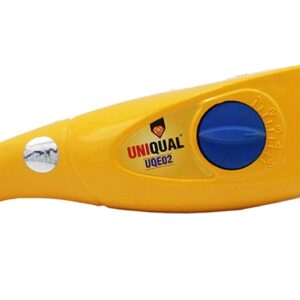 UQE02 – UniQual Engraver