
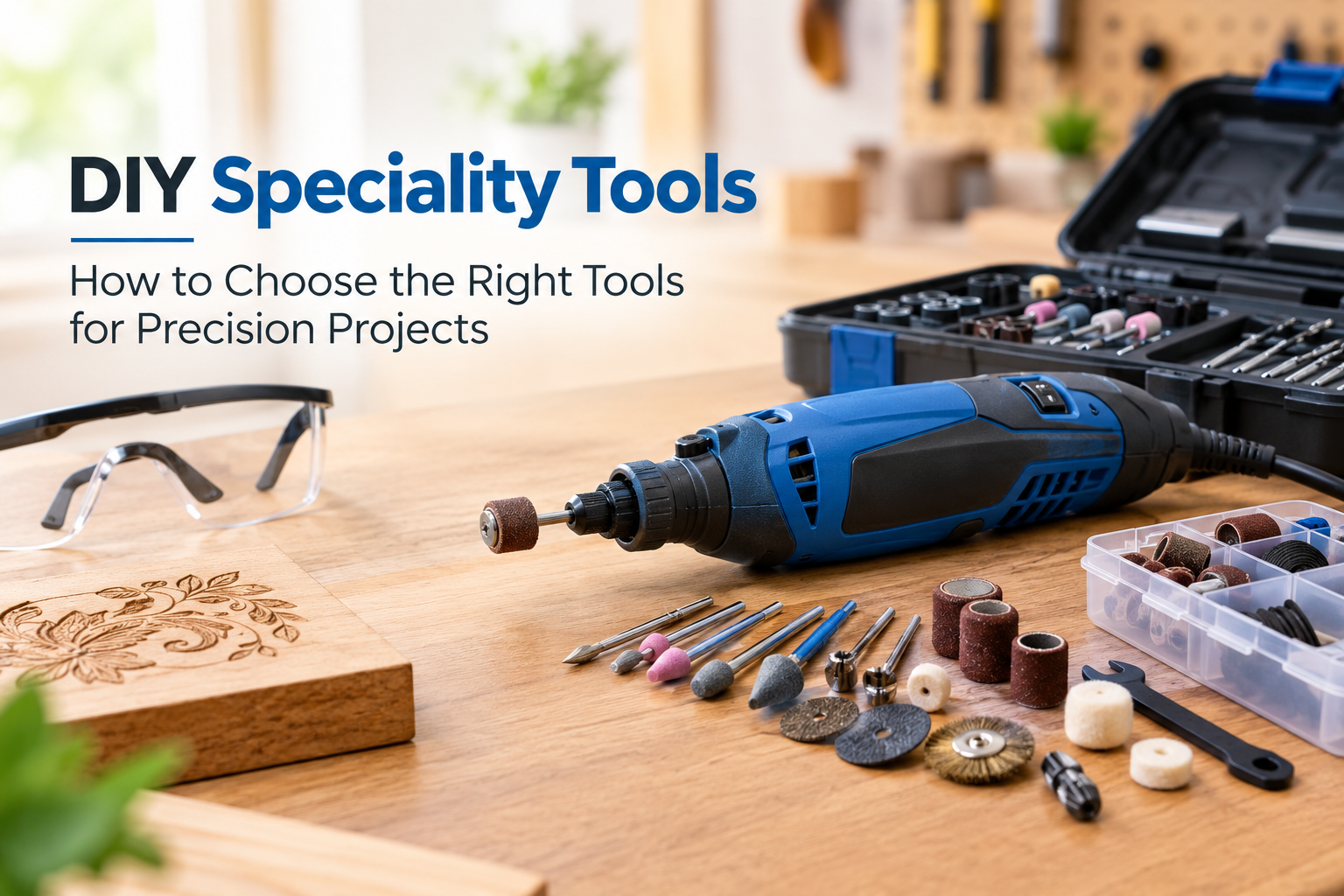
DIY projects allow individuals to repair, customise, and create things according to their requirements. From crafting detailed wooden designs and assembling small components to polishing surfaces and performing intricate repairs, every project requires the right tools to achieve accurate results. While basic hand tools are suitable for general tasks, specialised projects often demand equipment designed for greater control, precision, and consistency.
Choosing the right DIY Speciality Tools can make a significant difference in the quality of your work. The correct tool helps reduce mistakes, improves efficiency, and makes complex tasks easier to manage. However, with different tools available for cutting, grinding, drilling, engraving, sanding, and polishing, selecting the most suitable option can be challenging.
Understanding your project requirements, the material you are working with, and the level of accuracy needed will help you make a better decision. This guide explains how to choose the right speciality tools for precision DIY projects and achieve reliable results.
What Are DIY Speciality Tools?
DIY speciality tools are equipment and accessories designed to perform specific tasks that require greater accuracy or specialised functionality than standard tools can provide. They are commonly used for detailed work, small repairs, creative projects, model making, and surface finishing.
Unlike general-purpose tools, speciality tools often offer features that improve control, reach, and precision. For example, a rotary tool can help with engraving, polishing, sanding, and cutting, while a precision screwdriver set is useful for assembling or repairing small electronic devices and mechanical components.
Common types of DIY speciality tools include:
- Rotary tools: Suitable for engraving, cutting, grinding, sanding, and polishing.
- Precision drills: Used for creating small, accurate holes in different materials.
- Engraving tools: Help create detailed patterns, markings, and designs.
- Speciality cutting tools: Designed for controlled cutting in specific materials.
- Grinding tools: Used to remove excess material, smooth edges, and refine surfaces.
- Sanding and polishing accessories: Help achieve smooth finishes on wood, metal, plastic, and other compatible materials.
- Precision hand tools: Include fine screwdrivers, tweezers, pliers, and other tools for detailed assembly and repair work.
Selecting the appropriate tool depends on the task, the material, and the finish you want to achieve.
Why Is Precision Important in DIY Projects?
Precision is essential when a project involves small components, delicate surfaces, close-fitting parts, or detailed designs. Even a minor error can affect the appearance, functionality, or durability of the finished product.
Using suitable speciality tools helps maintain accuracy throughout the process. For example, when engraving a design on a wooden surface, a tool with adjustable speed and a comfortable grip provides better control over lines and curves. Similarly, using an appropriate drill bit helps create clean holes without unnecessarily damaging the material.
Precision tools offer several practical benefits:
Improved accuracy: Specialised equipment helps you maintain consistent dimensions and detailed patterns.
Better surface quality: Suitable grinding, sanding, and polishing accessories can reduce rough edges and uneven finishes.
Reduced material waste: Greater control helps minimise mistakes that may require expensive materials to be replaced.
Increased efficiency: Using the correct tool for a specific task can reduce the time spent correcting errors.
Greater project versatility: Certain speciality tools support multiple applications when paired with compatible accessories.
For DIY enthusiasts, selecting the right equipment is not simply about convenience. It is an important step towards producing professional-looking results.
How to Choose the Right DIY Speciality Tools for Your Project
Before purchasing any equipment, evaluate the requirements of your project. The following factors can help you identify tools that offer the right combination of precision, performance, and usability.
1. Identify the Purpose of Your Project
Start by determining exactly what you need to accomplish. A tool designed for polishing may not be suitable for detailed cutting, even if both tasks can be performed using a rotary tool with different attachments.
Consider whether your project involves drilling, engraving, shaping, grinding, sanding, polishing, or assembling small components.
For example, a hobbyist creating decorative wooden items may benefit from engraving bits, sanding accessories, and a variable-speed rotary tool. Someone repairing small mechanical components may need precision screwdrivers, fine grinding attachments, and accurate measuring instruments.
Make a list of the tasks you expect to perform before comparing available tools. This prevents unnecessary purchases and helps you focus on equipment that directly supports your work.
2. Check Material Compatibility
Different materials require different tools, accessories, and operating speeds. A tool that performs well on wood may not deliver the same results on metal, glass, or plastic.
Before selecting a speciality tool, identify the material you will be working with.
- Wood: Sanding drums, carving bits, and suitable cutting accessories can help shape and finish wooden surfaces.
- Metal: Compatible grinding stones, metal-cutting accessories, and polishing attachments can support fabrication and finishing tasks.
- Plastic: Fine cutting and sanding accessories can help reduce rough edges, provided the tool speed and heat are controlled.
- Glass and ceramics: Specialised bits designed for the material may be required, along with appropriate protective equipment.
- Electronic components: Precision screwdrivers and suitable fine-tip tools can help with careful assembly and repair.
Always check the manufacturer’s recommendations for material compatibility. Using an unsuitable accessory may cause overheating, poor finishes, or damage to the workpiece.
3. Evaluate Accuracy and Control
Precision projects require tools that are easy to guide and control. Important features include adjustable speed, a comfortable grip, low vibration, and a stable working mechanism.
For instance, variable-speed rotary tools allow users to adjust the operating speed according to the task and material. Lower speeds may be appropriate for certain delicate operations, while higher speeds can be useful for compatible grinding or polishing applications.
However, the correct speed depends on the accessory, material, and manufacturer’s instructions.
Look for equipment that allows controlled movement without requiring excessive pressure. A comfortable grip and balanced design are particularly useful when working on fine details for extended periods.
4. Choose the Right Attachments and Accessories
A speciality tool is only as useful as the accessories compatible with it. Different attachments can significantly expand the range of tasks a single tool can perform.
For example, a rotary tool may support:
- Cutting wheels for suitable cutting applications.
- Grinding stones for shaping and removing excess material.
- Sanding bands for surface preparation.
- Polishing accessories for improving surface appearance.
- Engraving bits for decorative work and fine detailing.
- Drill bits for creating small holes in compatible materials.
Before purchasing accessories, check the tool’s collet size, shank compatibility, maximum operating speed, and intended application.
If you regularly work on different types of projects, choosing a tool with a practical range of compatible attachments can offer greater flexibility. However, avoid buying accessories that you are unlikely to use.
5. Consider Build Quality and Durability
DIY tools should provide reliable performance over repeated use. Build quality becomes especially important when working with hard materials or performing tasks that require consistent pressure and movement.
Examine the tool’s housing, grip, attachment mechanism, and overall construction. For powered equipment, also consider motor performance, heat management, vibration, and the availability of replacement parts.
Durability does not always mean choosing the most expensive option. Instead, look for equipment that matches your workload and offers dependable performance for the tasks you intend to perform.
For occasional hobby projects, a basic but reliable tool may be sufficient. For frequent precision work, investing in better control, construction quality, and accessory compatibility may provide greater long-term value.
6. Prioritise Comfort and Safety
Comfort is an important consideration when working on detailed projects. Tools that are difficult to hold or control can increase fatigue and make it harder to maintain accuracy.
Choose equipment with an ergonomic grip, manageable weight, and controls that are easy to operate. If your project requires extended use, consider whether the tool’s design supports comfortable handling.
Safety should also influence your selection. Depending on the task, you may need safety glasses, suitable respiratory protection, hearing protection, and effective dust extraction.
Always secure the workpiece before cutting, grinding, or drilling. Use the recommended attachment guards, inspect accessories before operation, and disconnect powered tools before changing attachments. For glass, ceramics, or other materials that can produce hazardous dust, follow the manufacturer’s safety guidance and use appropriate protective measures.
Common Mistakes to Avoid When Buying DIY Speciality Tools
Even a good-quality tool may deliver disappointing results if it is unsuitable for the project. Avoid these common purchasing mistakes.
Choosing a tool based only on price: The cheapest option may lack the control, durability, or compatibility required for precise work. Compare features and suitability rather than price alone.
Ignoring accessory compatibility: Not every attachment fits every tool. Confirm the specifications before purchasing additional accessories.
Overlooking speed control: Certain materials and tasks require specific operating speeds. A tool without suitable speed adjustment may limit your options.
Buying unnecessary attachments: Large accessory kits can appear attractive, but many attachments may go unused. Select accessories based on your actual requirements.
Neglecting maintenance: Dust, worn attachments, damaged cables, and loose components can affect performance and safety. Follow the recommended maintenance schedule.
Using excessive pressure: Applying too much force can damage the workpiece, wear out accessories, or reduce control. Let the tool and its compatible attachment perform the work as intended.
Avoiding these mistakes helps you choose equipment that supports accurate and consistent results.
How Can You Maintain DIY Speciality Tools for Long-Term Performance?
Regular maintenance helps speciality tools remain reliable and ready for future projects. Proper care is particularly important for equipment used in detailed cutting, grinding, engraving, and polishing.
Follow these maintenance practices:
- Clean tools after use: Remove accumulated dust and debris according to the manufacturer’s instructions.
- Inspect accessories regularly: Replace worn, cracked, bent, or damaged attachments before using the tool again.
- Store equipment properly: Keep tools and accessories in a dry, organised storage case to prevent damage and loss.
- Check electrical components: Inspect cables, plugs, and switches for visible damage before operating powered equipment.
- Follow maintenance guidelines: Lubricate, service, or replace components only as recommended by the manufacturer.
- Use compatible accessories: Avoid attachments that exceed the tool’s specifications or rated operating speed.
Proper storage and maintenance can help preserve tool performance, reduce avoidable wear, and improve workplace safety.
Conclusion
Choosing the right DIY speciality tools starts with understanding your project’s requirements, material compatibility, and desired level of precision. Features such as variable-speed control, ergonomic design, durable construction, and compatible accessories can make detailed work easier and more consistent.
Whether you are engraving decorative patterns, repairing small components, shaping wooden objects, or polishing metal surfaces, the right equipment helps you work with greater control and confidence. Instead of purchasing tools based solely on price or the number of included accessories, focus on functionality, reliability, safety, and long-term usefulness.
For DIY enthusiasts and professionals looking for tools and accessories for precision applications, Uniqual can be considered as part of the tool-selection process. Choosing suitable equipment for each task helps improve project quality, minimise errors, and achieve better finishing results across a wide range of DIY applications.
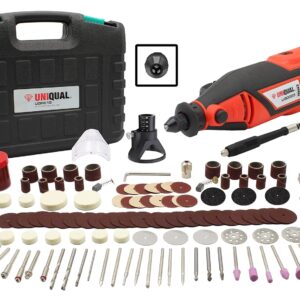 UQRK10 – 140pcs Kit
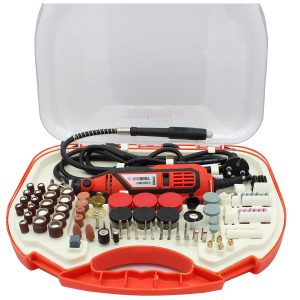 UQRK01 – 211pcs Rotary Tool Kit
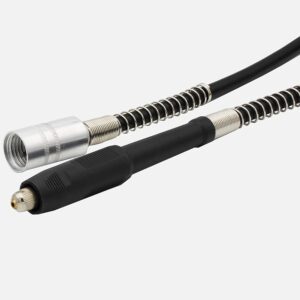 UQRT02 – Flexible Shaft Black
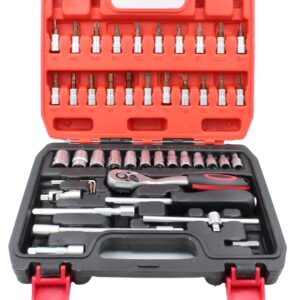 UQHT01 – 46pcs Socket Set
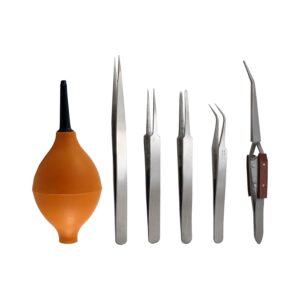 UQHT02 – 6pcs Tweezer Set
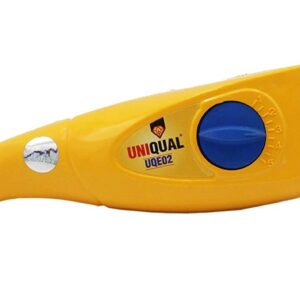 UQE02 – UniQual Engraver