
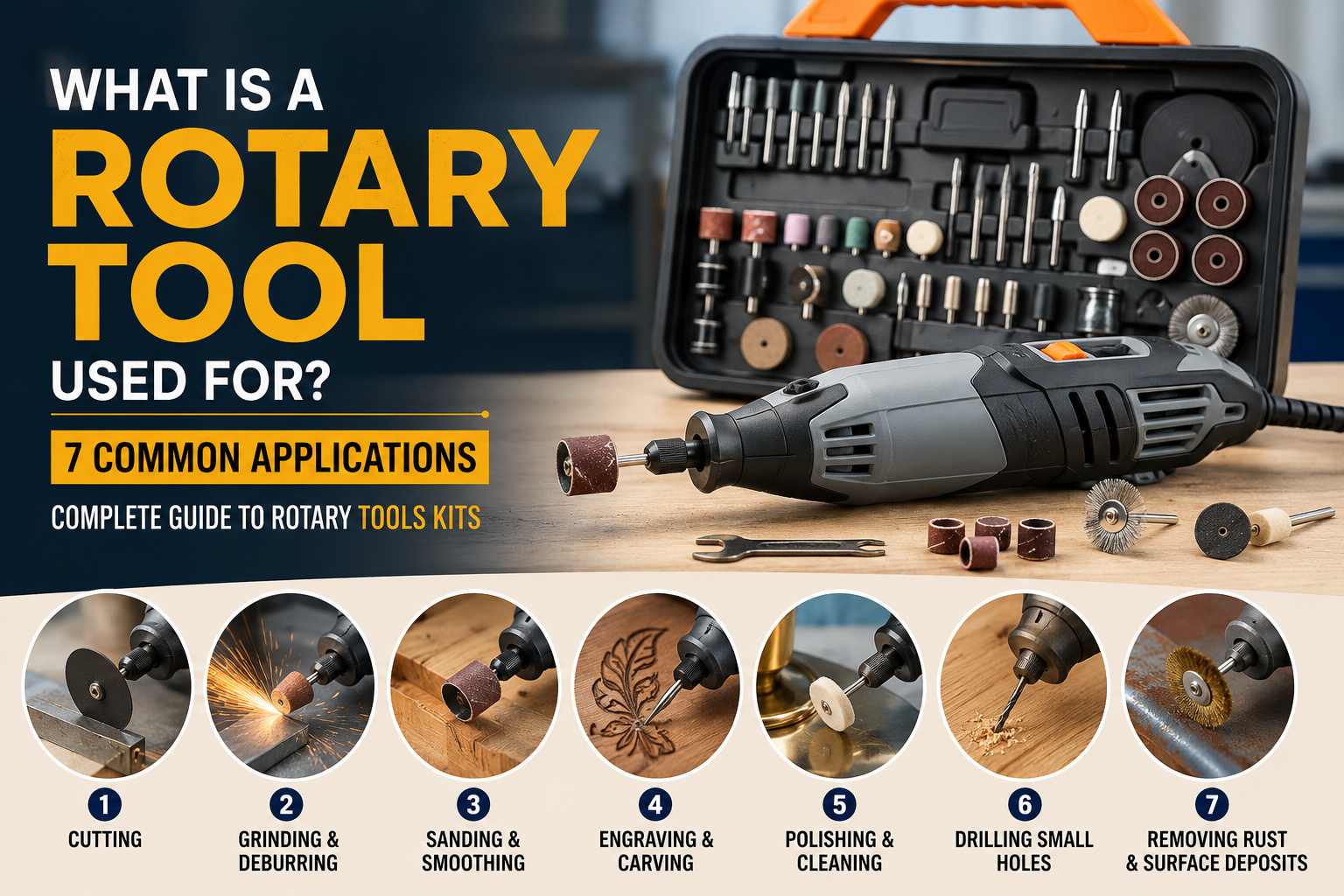
A rotary tool is one of the most versatile handheld power tools used for cutting, grinding, polishing, drilling, engraving, sanding, and other precision tasks. Its compact design and high-speed rotating action make it useful for both professional tradespeople and DIY enthusiasts.
With the right accessories, rotary tools kits can handle a wide range of jobs that would otherwise require several different tools. From detailed engraving to cutting through small materials, a rotary tool can be a practical addition to any workshop or toolbox.
In this guide, we explore seven common applications of rotary tools and explain why choosing a complete rotary tool kit can make your work easier and more efficient.
What Is a Rotary Tool?
A rotary tool is a compact power tool that uses a high-speed rotating spindle to operate different attachments and accessories. Unlike larger power tools designed for one primary task, a rotary tool can perform multiple jobs by simply changing its attachment.
Depending on the accessory used, it can work with materials such as wood, plastic, metal, ceramic, and more. This versatility makes rotary tools suitable for workshops, maintenance work, craft projects, repairs, and precision applications.
What Are Rotary Tools Used For?
Here are seven common applications where rotary tools can be especially useful.
1. Cutting Small Materials
One of the most common uses of a rotary tool is cutting. With the appropriate cutting wheel or disc, you can make precise cuts in materials such as thin metal, plastic, wood, and other lightweight materials.
Rotary tools are particularly useful when working in tight spaces where larger cutting tools may be difficult to handle. They can also help with small repair and modification jobs that require controlled cutting rather than heavy-duty power.
Always select an accessory designed for the specific material and follow the manufacturer’s safety recommendations.
2. Grinding and Deburring
Rotary tools are also widely used for grinding and removing rough edges. Grinding attachments can help smooth sharp or uneven surfaces after cutting or machining.
For metalworking applications, a rotary tool can be useful for removing burrs from drilled or cut edges. This can improve the finish of a component and make handling safer.
The compact shape of the tool also allows users to reach smaller areas that may be difficult to access with conventional grinding equipment.
3. Sanding and Smoothing
A rotary tool can turn into a precision sanding tool when fitted with sanding drums, discs, or other suitable attachments.
It can be used to smooth wooden edges, refine small surfaces, remove imperfections, or prepare an area for painting and finishing. This makes it useful for furniture repairs, crafts, woodworking projects, and DIY work.
Because rotary tools operate at high speeds, users should avoid applying excessive pressure. Letting the accessory do the work generally provides better control and results.
4. Engraving and Carving
For detailed creative or professional work, rotary tools can be used for engraving and carving. Small engraving bits provide the precision needed to create designs, markings, patterns, or lettering.
They can be used on suitable materials such as wood, plastic, glass, and certain metals, depending on the attachment.
This application makes rotary tools popular among hobbyists, artisans, model makers, and professionals who need controlled detail work.
5. Polishing and Cleaning
A rotary tool can also be used for polishing and cleaning smaller surfaces. With polishing wheels, brushes, or suitable buffing accessories, it can help remove surface residue and improve the appearance of compatible materials.
For example, polishing attachments can be useful for small metal components, hardware, jewellery-related projects, and other detailed items.
The ability to work at controlled speeds is important here, as excessive speed or pressure can damage delicate surfaces.
6. Drilling Small Holes
Although a rotary tool is not intended to replace a full-size drill for heavy-duty drilling, it can be useful for making small holes in suitable materials.
With the correct drill bit and settings, it can handle precision drilling tasks in materials such as wood, plastic, and some thin materials.
Its small size makes it particularly convenient for miniature projects, craft applications, model making, and other situations where precision and manoeuvrability are important.
7. Removing Rust and Surface Deposits
Wire brushes and abrasive attachments can make rotary tools useful for removing light rust, dirt, paint residue, and surface deposits from compatible metal surfaces.
This can be helpful during maintenance and restoration projects where a large grinder or cleaning machine would be excessive.
For best results, choose an attachment suitable for the surface and use an appropriate speed. Protective equipment such as safety glasses should also be used during operation.
Why Choose Rotary Tools Kits?
Buying individual accessories separately can be inconvenient, particularly if you regularly perform different types of work. Rotary tools kits typically combine the main tool with a selection of attachments and accessories for multiple applications.
A well-equipped kit can provide accessories for cutting, grinding, sanding, polishing, engraving, drilling, and cleaning. This gives users greater flexibility without requiring multiple specialised tools.
When choosing a rotary tool kit, consider factors such as motor power, variable-speed control, ergonomic design, accessory compatibility, build quality, and the number and type of attachments included.
How Do You Use a Rotary Tool Safely?
Safety is essential when operating any high-speed power tool. Before starting a project, make sure the accessory is securely fitted and appropriate for the material.
Wear safety glasses to protect your eyes from dust and particles. Avoid loose clothing and keep your hands away from the rotating attachment. Start at an appropriate speed and maintain a firm grip while working.
It is also important to inspect cutting discs, sanding accessories, and other attachments for signs of damage before use.
Final Thoughts
A rotary tool may be compact, but its versatility makes it useful for a surprisingly wide range of applications. From cutting and grinding to engraving, sanding, polishing, drilling, and cleaning, the right attachment can transform one tool into a multifunctional workshop solution.
For professionals, hobbyists, repair technicians, and DIY users, investing in quality rotary tools kits can provide the flexibility needed for different precision tasks. Choosing a reliable kit with compatible accessories can help you work more efficiently while keeping your toolbox organised and versatile.
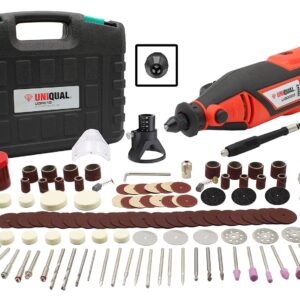 UQRK10 – 140pcs Kit
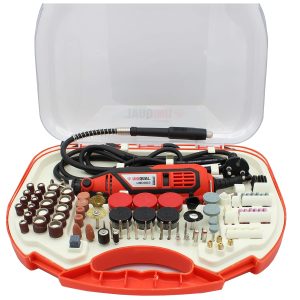 UQRK01 – 211pcs Rotary Tool Kit
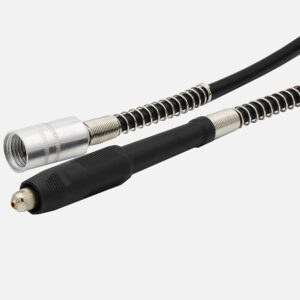 UQRT02 – Flexible Shaft Black
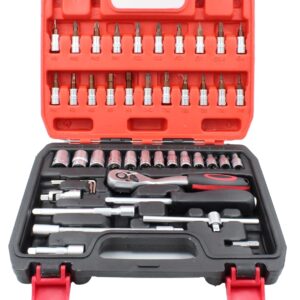 UQHT01 – 46pcs Socket Set
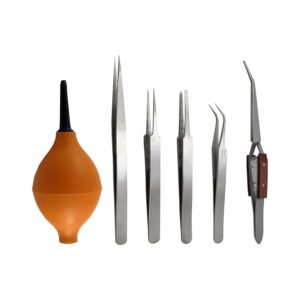 UQHT02 – 6pcs Tweezer Set
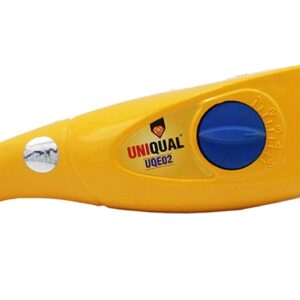 UQE02 – UniQual Engraver