
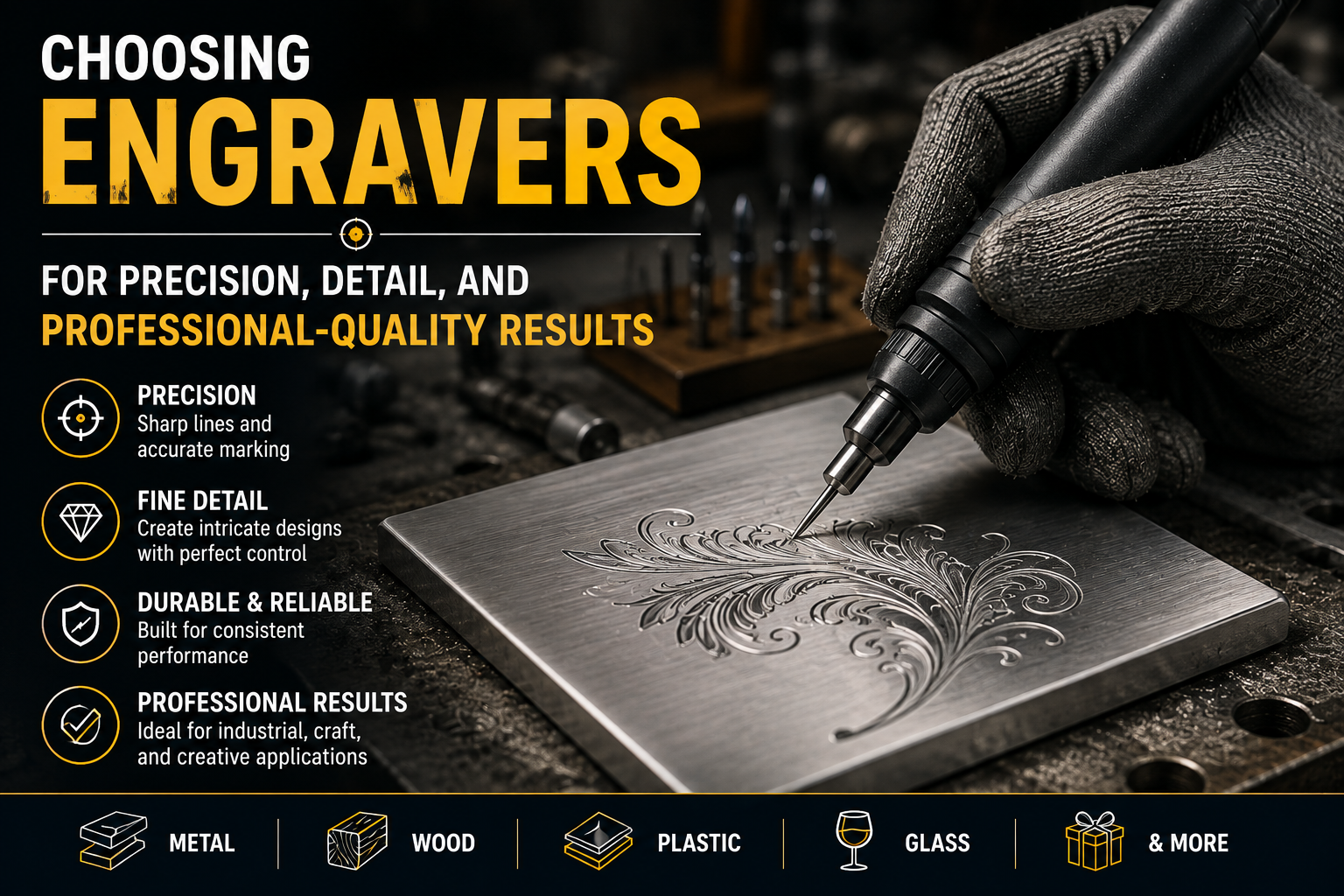
When it comes to creating precise markings, intricate designs, and professional-quality finishes, choosing the right engravers can make a significant difference. Whether you work with metal, wood, plastic, glass, or other materials, the right engraving tool helps you achieve cleaner lines, better control, and consistent results.
From professional workshops and manufacturing units to jewellery making, craft projects, and DIY applications, engravers are used for a wide range of tasks. However, with different types, sizes, power options, and accessories available, selecting the right tool can sometimes be confusing.
So, how do you choose an engraver that delivers the precision and detail your work requires? This guide explains the key factors to consider before making your choice.
What Are Engravers and How Do They Work?
Engravers are specialised tools designed to remove or mark material from a surface to create letters, patterns, designs, numbers, or other details. Depending on the tool and application, engraving can be performed manually or with a powered engraving machine.
Modern engraving tools are designed to provide greater control over speed, depth, and movement. This makes them suitable for both detailed decorative work and professional applications where accuracy is important.
An engraver may be used for:
- Marking metal components
- Creating decorative designs
- Personalising jewellery and gifts
- Engraving wooden surfaces
- Marking plastic parts
- Creating signs and nameplates
- Detail work in workshops
- DIY and hobby projects
- Craft and artistic applications
Choosing the appropriate tool depends largely on the material, level of detail, frequency of use, and finish you expect.
Why Is Precision Important When Choosing an Engraver?
Precision is one of the most important factors when selecting an engraving tool. Even a small variation in movement or engraving depth can affect the final appearance of a design.
A precision-focused engraver should allow you to control its movement and, where applicable, adjust the operating speed. Better control makes it easier to create sharp edges, fine lines, small lettering, and intricate patterns.
For professional applications, precision is particularly important because consistent results can influence both product quality and customer satisfaction.
What Types of Materials Can Engravers Work On?
Different engravers are designed for different materials. Before purchasing one, consider the surfaces you work with most frequently.
Metal
Metal engraving often requires a powerful and durable tool capable of producing controlled markings without compromising accuracy. Applications include tool identification, industrial marking, jewellery, and decorative designs.
Wood
Wood engraving is popular among artists, hobbyists, and craftsmen. A tool with good speed control can help create different depths and textures while reducing the risk of damaging the surface.
Plastic
Engraving plastic requires careful control because excessive heat or pressure can affect the material. A suitable engraver allows you to work gradually and create clean markings.
Glass
Glass engraving requires a steady hand and an appropriate engraving attachment. Fine control is particularly important when working on delicate surfaces.
Understanding the materials you intend to engrave will help you select a tool that matches your requirements.
Which Features Should You Look for in Engravers?
Not every engraver offers the same performance. Several features can influence usability, precision, and overall results.
1. Variable Speed Control
Variable speed is valuable when working with different materials and engraving techniques. Lower speeds can be useful for delicate or detailed work, while higher speeds may be suitable for certain applications requiring faster material removal.
2. Comfortable Grip
Engraving often involves holding the tool for extended periods. An ergonomic grip can improve comfort and help reduce hand fatigue.
A comfortable design also provides better control, which is essential for creating detailed patterns and precise lines.
3. Suitable Accessories
Accessories can significantly expand the capabilities of an engraving tool. Depending on the application, different bits, cutters, or attachments may be required.
Before choosing an engraver, check which accessories are included and whether additional compatible options are available.
4. Motor Performance
Motor performance affects how effectively an engraver handles different materials. For regular professional use, look for a tool that provides dependable performance and maintains consistent operation.
5. Durability
If the tool will be used frequently, durability should be a priority. Strong construction and reliable components can help the engraver withstand regular workshop use.
6. Ease of Maintenance
A tool that is easy to clean, maintain, and service can be more convenient for long-term use. Regular maintenance can also help preserve performance and extend the tool’s working life.
How Do You Choose the Right Engraver for Your Application?
The best engraver is not necessarily the most powerful one. Instead, it should match the specific requirements of your work.
Consider these questions before choosing:
What material will you engrave?
Different materials require different levels of power, speed, and tool compatibility.
How detailed is your work?
Fine lettering and intricate patterns require excellent control and suitable accessories.
How frequently will you use the tool?
Occasional hobby work may require different features than continuous professional applications.
Do you need portability?
For mobile or flexible work, a compact and lightweight option may be more convenient.
What level of finish do you expect?
Professional applications typically require consistent depth, clean lines, and repeatable results.
Answering these questions can narrow down your choices and help you select a tool that suits your working style.
Engravers for Professional and Industrial Applications
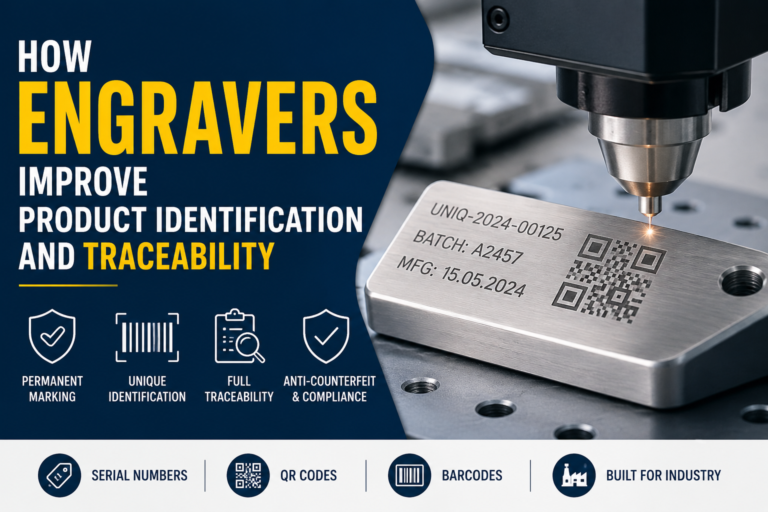
In professional environments, engraving is often more than just decorative work. It can be used for identification, traceability, branding, labelling, and component marking.
Manufacturers may use engraving to mark:
- Serial numbers
- Product codes
- Company names
- Measurement indicators
- Identification marks
- Logos
- Technical information
In such applications, consistency and durability are essential. The engraving needs to remain clear and readable while providing a professional appearance.
Choosing a dependable engraving tool can therefore support better workflow efficiency and reduce inconsistencies between individual markings.
How Can Engravers Improve Craft and DIY Projects?
Engraving tools are also useful for creative and personal projects. DIY enthusiasts can use them to customise everyday objects or add unique details to handmade products.
For example, you can create:
- Personalised wooden gifts
- Decorative glass designs
- Custom metal tags
- Engraved jewellery
- Nameplates
- Artistic patterns
- Custom signage
With practice and the right accessories, an engraver can become a versatile addition to a home workshop or creative workspace.
What Common Mistakes Should You Avoid?
Selecting the wrong tool is not the only issue that can affect engraving quality. The way the tool is used also matters.
Avoid these common mistakes:
Applying Too Much Pressure
Pressing too hard can create uneven markings and may damage the surface. Allow the tool to do the work while maintaining steady movement.
Using the Same Speed for Every Material
Different materials respond differently to engraving. Adjusting speed according to the application can help achieve better results.
Choosing the Wrong Bit
Using an unsuitable accessory can make engraving more difficult and may result in poor-quality markings.
Ignoring Safety
Always follow the manufacturer’s safety instructions. Depending on the material, engraving can produce dust or small particles, so appropriate eye protection and workspace ventilation may be necessary.
Skipping Practice
If you are new to engraving, practise on scrap material before working on the final piece. This allows you to understand the tool’s speed, pressure, and movement.
Why Choose the Right Engravers for Long-Term Results?
A good engraving tool should provide more than immediate results. It should offer dependable performance across repeated projects.
The right tool can help you achieve:
- Greater precision
- Cleaner engraving lines
- Better surface control
- Consistent results
- Improved working comfort
- Greater application flexibility
- Efficient project completion
For professionals, these benefits can contribute to improved productivity. For hobbyists and creators, they can make detailed projects easier and more enjoyable.
Final Thoughts
Choosing the right Engravers is an important step toward achieving precision, detail, and professional-quality results. Instead of focusing only on power or price, consider the material you work with, the level of detail required, operating comfort, speed control, accessories, and expected frequency of use.
Whether you are working on industrial marking, creative projects, personalised products, or detailed craftsmanship, selecting a suitable engraving tool can make your work more accurate and consistent.
With the right equipment and proper technique, engraving can become a precise, efficient, and highly versatile part of your workshop. Explore suitable engraving solutions from Uniqual to find tools that match your professional and creative requirements.
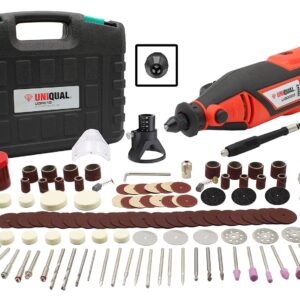 UQRK10 – 140pcs Kit
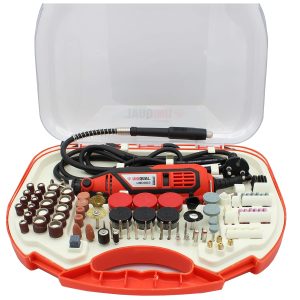 UQRK01 – 211pcs Rotary Tool Kit
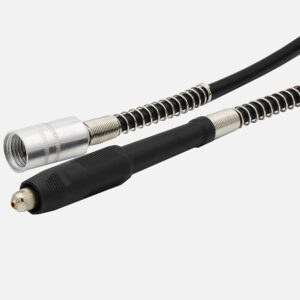 UQRT02 – Flexible Shaft Black
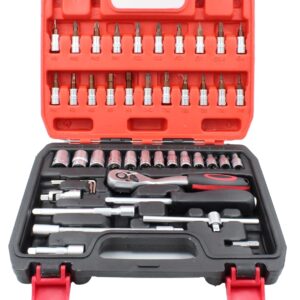 UQHT01 – 46pcs Socket Set
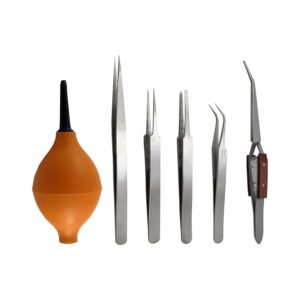 UQHT02 – 6pcs Tweezer Set
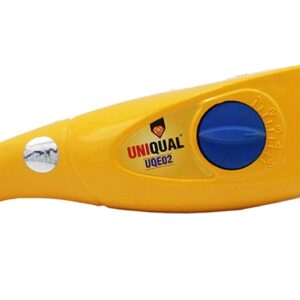 UQE02 – UniQual Engraver