
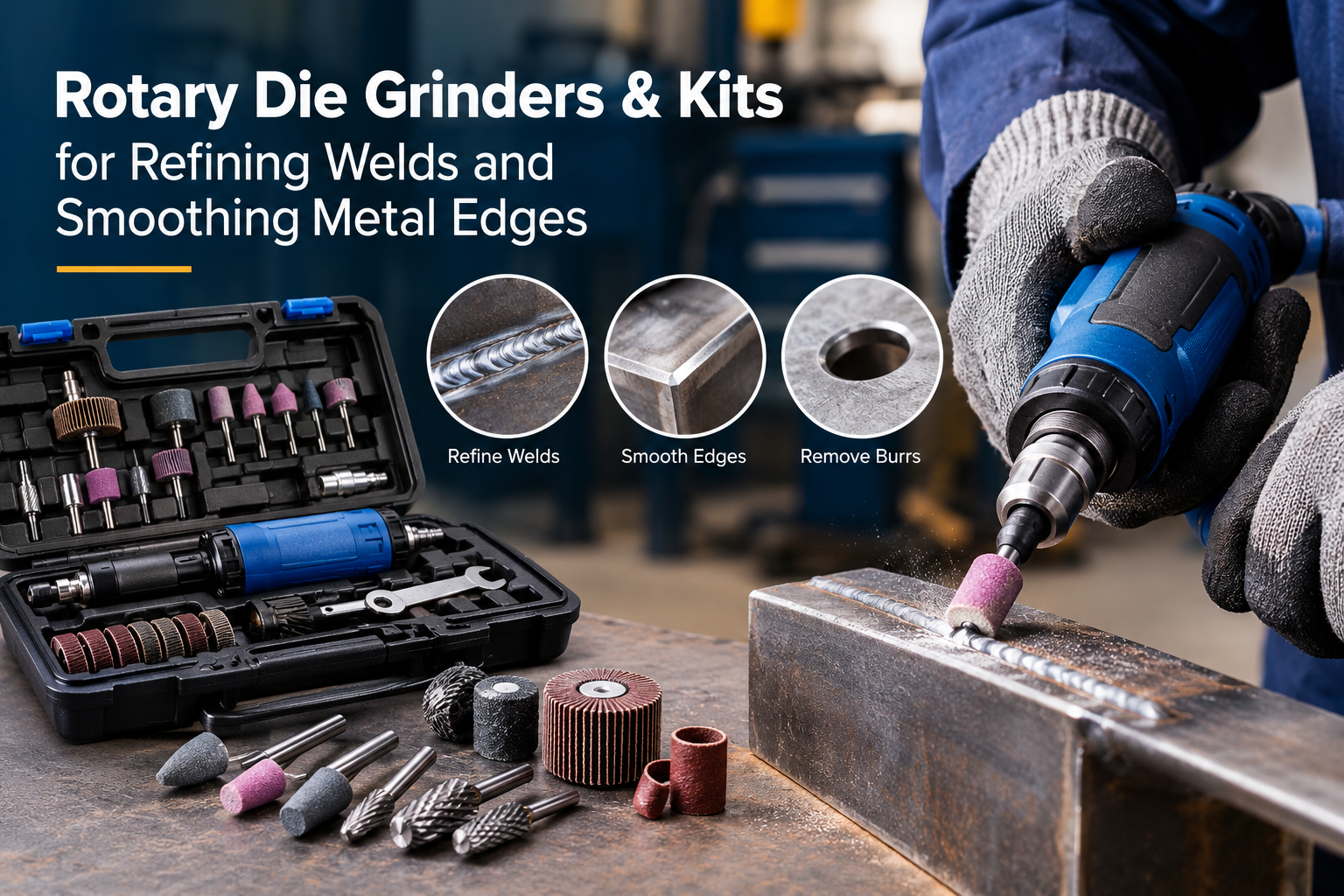
Metalworking requires precision, consistency, and the right tools to achieve a clean, professional finish. After welding, cutting, or grinding metal components, rough edges, excess weld material, and surface imperfections can affect both appearance and functionality. Proper finishing helps improve the quality, safety, and durability of metal parts.
This is where Rotary Die Grinders & Kits become valuable tools for professionals working in fabrication shops, automotive workshops, manufacturing facilities, and industrial maintenance. Designed for detailed grinding, deburring, polishing, and surface preparation, these tools help workers refine metal surfaces in areas where larger grinding machines may be difficult to use.
Understanding how rotary die grinders work, which attachments to choose, and how to use them safely can help improve finishing results and overall productivity.
What Are Rotary Die Grinders & Kits?
Rotary die grinders are compact, high-speed power tools designed for precision grinding and finishing. They use rotating attachments, such as grinding stones, carbide burrs, and abrasive points, to remove unwanted material from metal surfaces.
A rotary die grinder kit typically includes the grinder and a selection of accessories suited to different applications. Depending on the kit, these accessories may support grinding, deburring, polishing, shaping, and surface preparation.
Unlike larger angle grinders, die grinders are particularly useful for working on small components, narrow openings, curved surfaces, and intricate metal profiles. Their compact design provides better access to confined spaces and helps operators perform detailed finishing tasks.
How Do Rotary Die Grinders Help Refine Welds?
Welding can leave behind excess material, uneven joints, sharp projections, and surface irregularities. These imperfections may interfere with component assembly or prevent the finished product from meeting the required specifications.
Rotary die grinders help address these issues through controlled material removal.
1. Removing Excess Weld Material
After welding, some joints may have excess weld metal that needs to be reduced. Using a suitable grinding attachment, operators can carefully remove unwanted material and improve the joint’s overall profile.
This is particularly useful when working on smaller components or welds located in areas that are difficult to reach with larger tools.
2. Smoothing Weld Transitions
A well-finished weld often requires a smooth transition between the weld bead and the surrounding metal. Rotary die grinders help refine these transitions where the design or finishing requirements call for it.
Operators can work gradually to achieve a more consistent surface without unnecessarily removing surrounding material.
3. Preparing Welded Surfaces for Further Finishing
Some metal components require additional steps after welding, such as coating, painting, polishing, or assembly. Removing loose residue and addressing surface irregularities helps prepare the workpiece for these processes.
However, grinding should not compromise the required weld dimensions or structural integrity. Critical welds must be finished according to the applicable engineering specifications.
Why Are Rotary Die Grinders Useful for Smoothing Metal Edges?
Sharp edges and burrs can develop during cutting, drilling, machining, and fabrication. If left untreated, these imperfections can create handling hazards, affect component fit, or interfere with subsequent manufacturing operations.
Rotary die grinders offer several advantages for edge finishing.
Effective Deburring
Deburring involves removing small, unwanted projections of metal from a component. With the correct attachment, a die grinder can remove burrs from drilled holes, cut edges, slots, and machined surfaces.
This helps create cleaner edges and improves the consistency of finished components.
Better Access to Complex Shapes
Metal parts often include grooves, internal corners, curved profiles, and narrow openings. The compact design of rotary die grinders makes them useful for reaching these areas.
This accessibility is especially beneficial in fabrication and repair work, where components may have complicated geometries.
Controlled Finishing
Using an appropriate accessory and applying steady, controlled pressure helps operators refine edges without removing excessive material. Starting with a suitable abrasive and checking the surface frequently can improve accuracy.
For precision components, the finished dimensions should always be checked against the required tolerances.
Which Attachments Should You Use for Different Metal Finishing Tasks?
The performance of a die grinder depends significantly on the attachment selected. Different accessories are designed for specific materials, finishing requirements, and levels of material removal.
Common options include:
- Carbide burrs: Suitable for shaping metal, removing material, and working on detailed profiles when matched to the workpiece and application.
- Mounted grinding stones: Useful for grinding, refining weld areas, and removing small surface irregularities.
- Abrasive points: Designed for localized grinding and finishing in confined or detailed areas.
- Flap wheels: Useful for blending surfaces, smoothing edges, and achieving a more uniform finish when compatible with the grinder.
- Polishing accessories: Used for selected finishing applications where a smoother surface or improved appearance is required.
Not every accessory is suitable for every grinder or material. Always check the manufacturer’s recommendations for shank size, maximum operating speed, accessory compatibility, and intended application.
How Can You Choose the Right Rotary Die Grinder Kit?
Selecting the right kit can make metal finishing more efficient and consistent. Before choosing Rotary Die Grinders & Kits, consider the following factors.
1. Type of Work
Identify whether the primary application involves weld refinement, deburring, edge smoothing, surface preparation, or detailed shaping. A kit containing suitable attachments for the intended work can reduce the need to purchase accessories separately.
2. Power Source
Rotary die grinders are available in pneumatic and electric configurations.
Pneumatic models operate using compressed air and are commonly used in industrial workshops with suitable air systems. Electric models may be more convenient where a compatible electrical supply is available.
The right option depends on workshop infrastructure, operating requirements, portability, and maintenance preferences.
3. Speed and Control
Different materials and accessories require different operating speeds. A model with suitable speed control can provide greater flexibility across a range of finishing tasks.
Always follow the recommended speed limits for both the grinder and the installed accessory.
4. Ergonomics and Durability
A comfortable grip, manageable weight, and accessible controls can make detailed work easier, particularly during extended operations. For regular industrial use, also consider construction quality, serviceability, and the availability of compatible accessories.
5. Kit Contents
Compare the included attachments and accessories with your actual finishing requirements. A larger accessory selection is not necessarily better if many items are unsuitable for your applications.
What Safety Precautions Should You Follow?
Because rotary die grinders operate at high speeds, safe handling is essential. Incorrect accessory selection or improper operation can cause serious injuries and damage the workpiece.
Follow these precautions:
- Wear appropriate eye and face protection, hearing protection, and other personal protective equipment required by the task.
- Inspect the grinder and accessory for damage before use.
- Secure the workpiece firmly before grinding.
- Confirm that the accessory’s maximum rated speed is compatible with the grinder’s operating speed.
- Use the correct collet and ensure the accessory is installed securely.
- Avoid excessive pressure, which may damage the accessory or affect finishing quality.
- Keep hands, loose clothing, and other objects away from rotating components.
- Disconnect the power or air supply before changing accessories or carrying out maintenance.
- Follow the manufacturer’s operating instructions and workplace safety procedures.
Metal grinding can also produce sparks, dust, and hot particles. Keep flammable materials away from the work area and use appropriate ventilation and dust-control measures.
Which Industries Benefit from Rotary Die Grinders?
Rotary die grinders are used across several industries where precise metal finishing is important.
Metal fabrication: Helps refine welds, remove burrs, and finish fabricated components.
Automotive repair: Supports detailed grinding, component preparation, and finishing work in suitable applications.
Manufacturing: Helps remove machining imperfections and prepare parts for assembly or additional processing.
Tool and die making: Supports precision shaping and finishing of metal tools, dies, and mould components.
Industrial maintenance: Helps technicians carry out localized grinding and surface correction during equipment repair.
The specific application determines the attachment, grinder configuration, and finishing method required.
Conclusion
Achieving clean welds and smooth metal edges requires the right equipment, suitable accessories, and careful technique. Rotary Die Grinders & Kits provide a practical solution for precision grinding, deburring, weld refinement, and surface finishing across a variety of metalworking applications.
By selecting a grinder suited to the job, using compatible attachments, and following appropriate safety procedures, professionals can improve finishing consistency and maintain better control over material removal.
For workshops and manufacturing businesses looking for reliable rotary tools and accessories, Uniqual offers a range of rotary tools, kits, and related products to support different workshop requirements. Choosing the right equipment for your application can help make metal finishing more precise, efficient, and consistent.
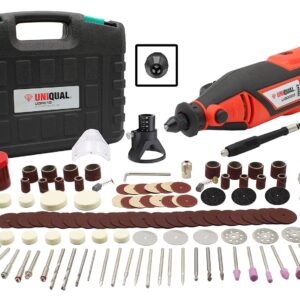 UQRK10 – 140pcs Kit
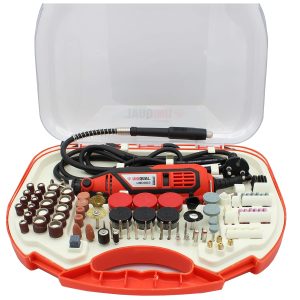 UQRK01 – 211pcs Rotary Tool Kit
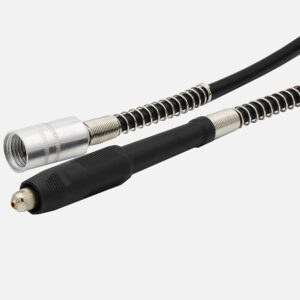 UQRT02 – Flexible Shaft Black
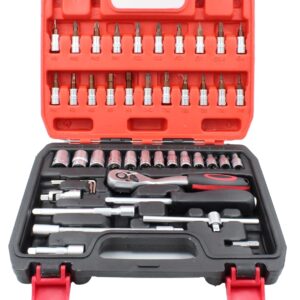 UQHT01 – 46pcs Socket Set
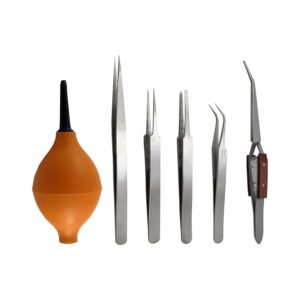 UQHT02 – 6pcs Tweezer Set
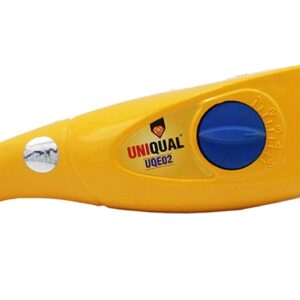 UQE02 – UniQual Engraver